
FILOTs: A Tool Used for Economic Success Across Spartanburg County
A closer look at how fee-in-lieu-of-tax agreements help Spartanburg County compete for investment, jobs, and long-term economic opportunity.
While how they’re referred to can differ — “fee-lots” or “fee-lows” — FILOT agreements have proven to be a crucial tool in Spartanburg County’s economic success over the last several decades.
FILOTs, the common abbreviation for fee-in-lieu-of-tax agreements, were the centerpiece of a Facts First event held on September 23, aiming to educate attendees more about FILOTs and the process behind them, and to dispel some misconceptions about their use and necessity.
“FILOTs level the playing field for South Carolina when competing for large business, industrial, and manufacturing by lowering the property tax assessment ratio from 10.5 percent, which is a good deal higher than the states surrounding us, who all sit at between 4 percent and 6 percent,” said OneSpartanburg, Inc. Chief Economic Development Officer Katherine O’Neill. “Present day South Carolina looks much different than when the state constitution was written to protect agricultural jobs, so FILOT agreements give every county across our state the opportunity to compete within our region for new investments and jobs.”
WHY FILOTS?
The property tax assessment ratio was set at a time when South Carolina was still largely an agricultural economy. Establishing the industrial tax ratio at 10.5 percent was designed to make the state less attractive to factories and manufacturing which had begun springing up in other parts of the country.
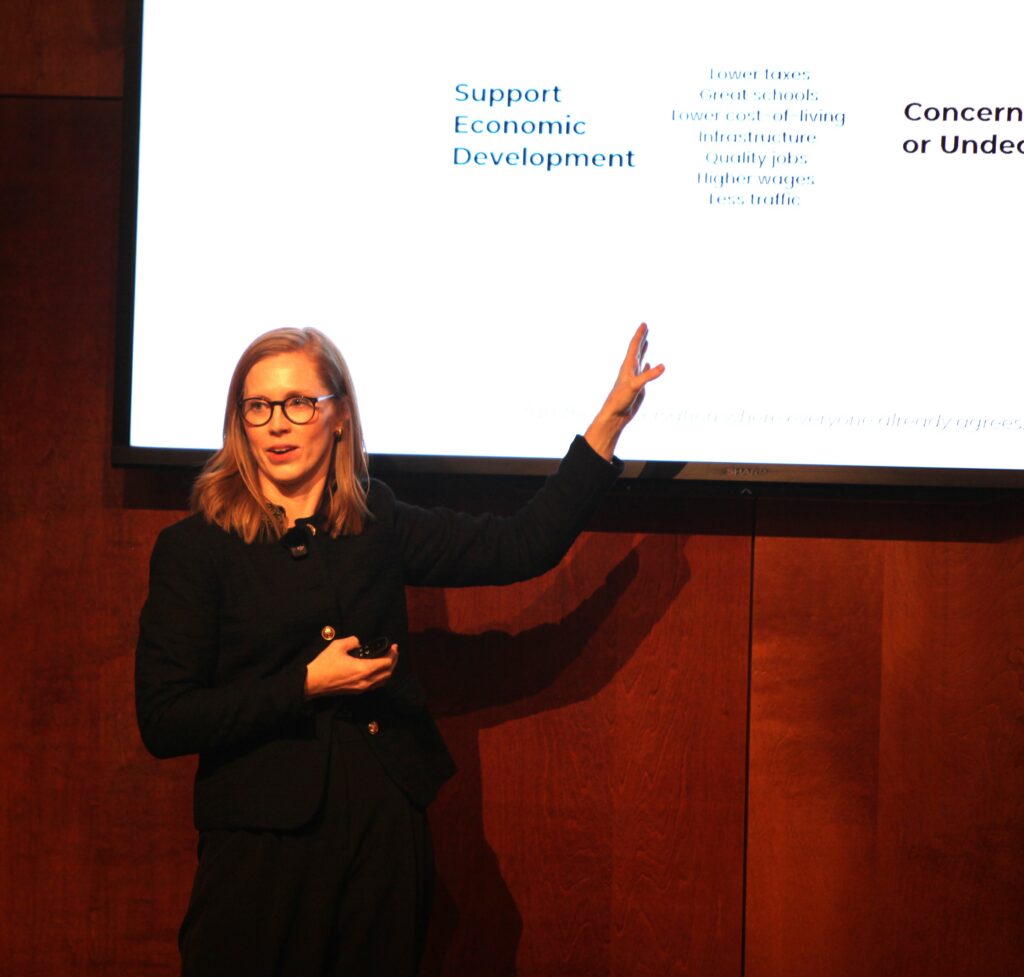
“This is how the South Carolina tax code system is set up to function,” said Beth Land, president of Land Strategies, a site selection firm based in Greenville. “So rather than designing a whole new tax code, the state increasingly relied on FILOTs to bridge that gap to become competitive.”
WHAT ARE FILOTS?
A fee-in-lieu-of-tax agreement, despite its name, is not an elimination of the tax burden for a business or industrial project. It is instead a negotiated, performance-based agreement between a county and a company that sets the property tax ratio for a period of decades.
In exchange for the lowered tax ratio resulting from a FILOT agreement, companies must meet minimum standards on capital investment dollars and job creation. If those aren’t met, some of the tax revenue that would’ve been saved could be forcibly collected by the county.
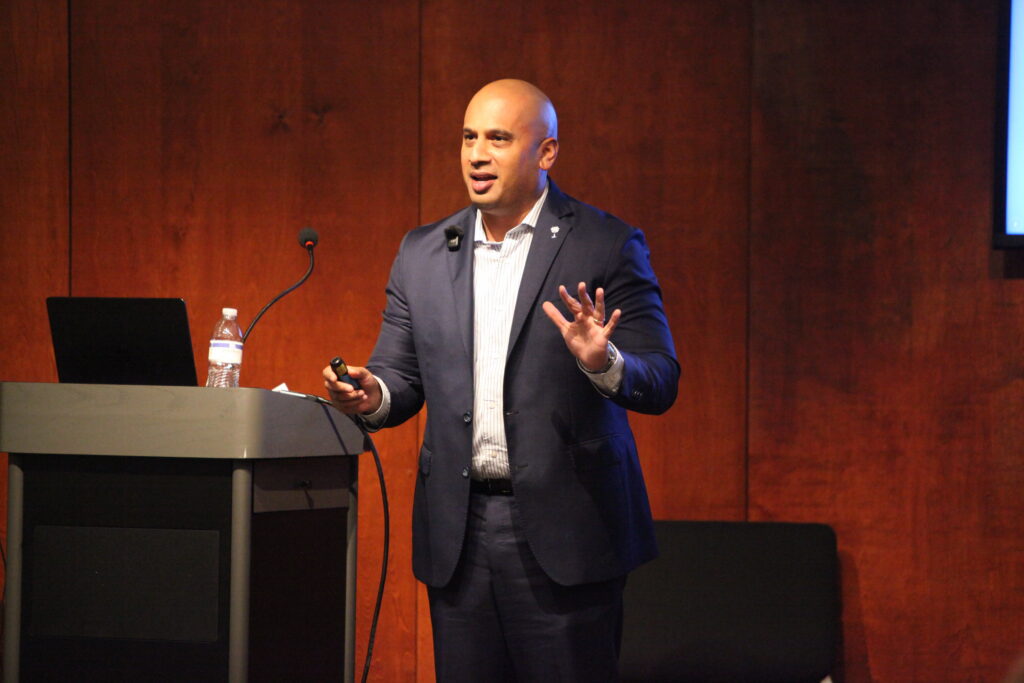
“It’s a reduction for dollars that are new. It’s not a cash grant. It’s not a county cutting a check,” said Maynard Nexsen Attorney Tushar Chikhliker. “It’s taking [x amount] and reducing it by [y amount], and the County is keeping the difference.”
State tax law dictates that manufacturing or industrial property is assessed at 10.5 percent of fair market value. FILOTs allow for qualifying projects to negotiate an assessment ratio of 6 percent. Some larger investments, thanks to the capital and job creation expected from those projects, can negotiate the assessment ratio down to 4 percent, per state law.
“Without this tool, South Carolina would probably be eliminated very early (in the economic development process),” Land said.
MISCONCEPTIONS
Some misinformation exists surrounding FILOTs and their usage and necessity, though.
One common misconception is that the businesses and industrial projects that receive FILOT agreements don’t contribute to Spartanburg County’s tax base.
“Basically, some negotiated-down percentage of something is more advantageous for our community than 100 percent of nothing,” said OneSpartanburg, Inc. President and CEO Allen Smith.

Other common misconceptions are that companies aren’t bound by any metrics to receive the lowered tax assessment ratio, and that FILOTs are handed out to any project requesting them.
“There are mandatory requirements that state law put in … there are rules of the road with these particular incentives,” Chikhliker said. “Believe me, not everyone gets a FILOT. Not everything coming to Spartanburg County will receive a FILOT.”
Chikhliker added that in his experience, Spartanburg County specifically is more conservative in offering incentives and more aggressive in going re-couping funds from companies that don’t meet the necessary benchmarks.
Spartanburg County is also among the most transparent with FILOT agreements, requiring all companies to reveal identity and location by second reading, with all deal points unveiled at first reading. Most other counties statewide don’t reveal the project until third and final reading.
WHAT TO KNOW GOING FORWARD
South Carolina — and Spartanburg County in particular — is growing, with that growth likely to continue, as new residents continue choosing the Upstate.
And while some in the community wish growth would halt, Land said that would have negative impacts into the future.
Because of how state tax law works, homes cost communities more to service than they receive in tax revenue. The opposite is true for industrial and business projects, so balance is critically important.
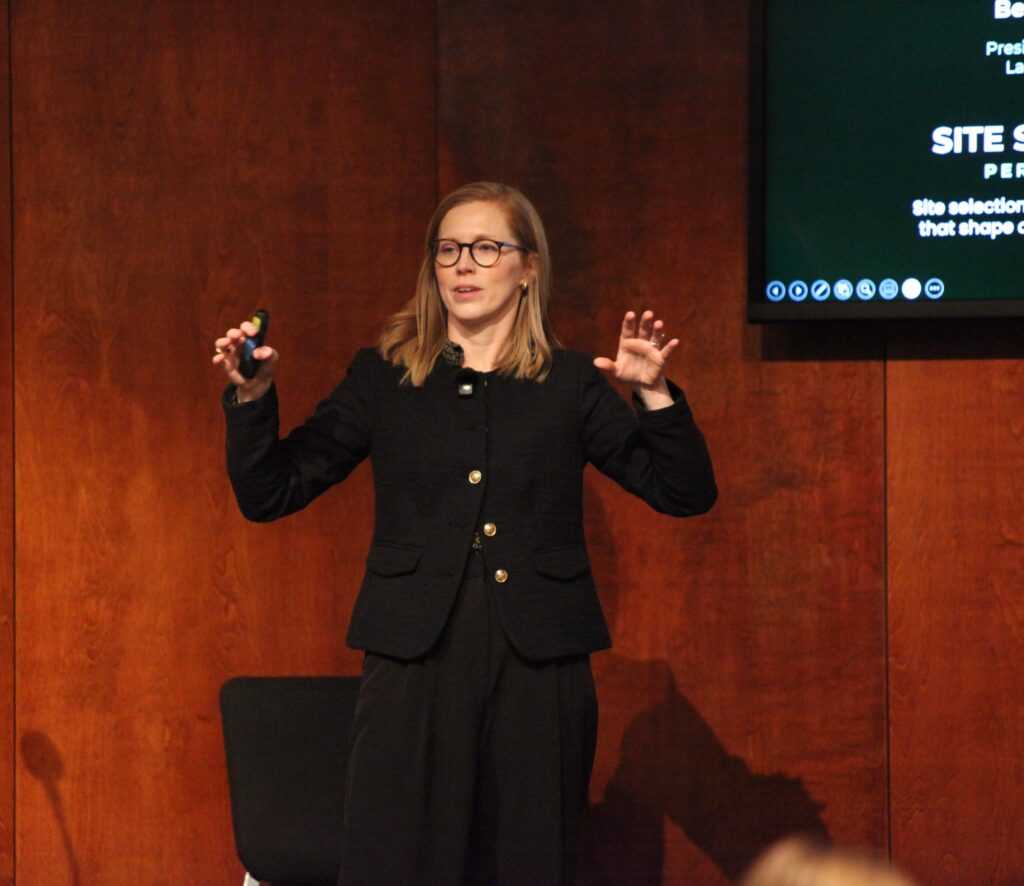
“Even with those property tax incentives in place, these projects are typically generating tens or hundreds of millions of dollars in tax revenue over time,” Land said. “If communities continue to grow rapidly without expanding the industrial and commercial tax base, homeowners will feel the effects, either through rising tax pressure or declining service levels. That’s why economic development isn’t just about growth, it’s about the long-term financial stability of a community.”